
Loading...
Loading...
 BACK
BACK2021-09-04
Antara Care Homes
Post-operative care plays a critical role in ensuring patients do not face any complications and make a full recovery, more so in the case of geriatric patients. While hip replacement, knee replacement, and spine replacement surgeries are needed by a majority of seniors to improve mobility and quality of life, there are other cases that require immediate surgical care like spine injuries, fracture treatment, soft tissue injury management, and Achilles’ tendon rupture. Safety after orthopaedic surgery has therefore become an essential part of every recovery plan.
With a devastating second wave and possibility of a third wave in the near future, the COVID-19 pandemic has only increased the importance of a well charted post-operative care plan. The care plan helps patients in rehabilitation after surgery, prevent infections or any other complications, and heal the surgical wound.
What are the things one must keep in mind to make a quick and healthy recovery after an orthopedic surgery?
Geriatric patients require a specialized care plan owing to their age and other health concerns. It is also important to understand that each surgery requires a specific post-operative care plan. In cases like joint replacement i.e.,knee replacement surgery or hip replacement surgery, post-surgical care plays a crucial role in restoring mobility of patients and cases like spine injuries require dedicated care to prevent any infection. If taken casually, patients may develop serious complications that can lead to severe impairments in future or several re-do procedures / correction surgeries.
Looking for a trusted post-operative recovery and pre- operative support for your loved ones? Discover Antara’s specialized orthopaedic post-surgery care designed for seniors.
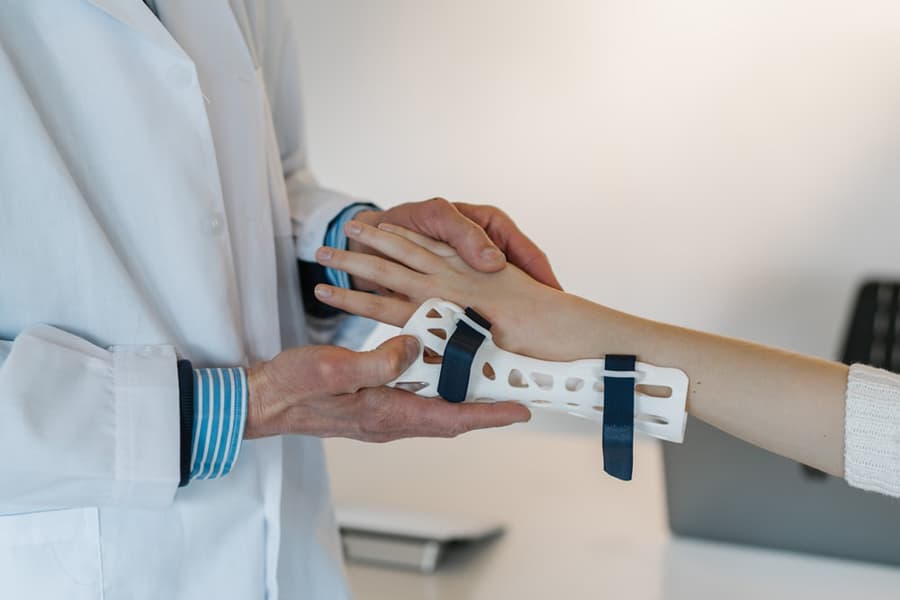
Care after a replacement surgery: Tips to follow for faster Recovery
Hip replacement
After a hip replacement surgery patients must avoid activities that could strain or dislocate the hip joint. The caregiver should ensure patients does not sit up straight on the bed, bring their legs together, or take any posture that requires them to excessively bend over the hip. A physical therapist will help with slow and gradual hip movements to slowly gain increased mobility and strength. After hip replacement surgery, physical therapy is key to prevent a limp and regain complete body movement.
Knee replacement
For knee replacement surgery, physiotherapy is an integral part of the rehabilitation plan. Regular exercises to strengthen the legs and slowly restore mobility with the support and guidance of a certified caregiver or physiotherapist is important for geriatric patients to make a healthy recovery. After a knee replacement surgery, the initial days are quite hard on seniors as they have very limited mobility, are under a lot of pain, and are dependent on caregivers for even basic daily activities. Caregivers also need to ensure dressing is changed, medication is given on time, and swelling is taken care of as well.
Whether it’s joint or knee replacement, patients must avoid climbing stairs for the first few months’ post-surgery. Climbing stairs puts excess pressure, can cause a lot of pain, and even complications in some cases. Most orthopedic post op care involves physical and occupational therapy, for patients to make a better and faster recovery.
Spinal injuries and spinal disorders
In case of spinal surgeries, it is important to ensure the wound from the incision is kept clean to prevent any infection. The area around the incision could have swelling and cause a lot of pain to the patient as well. Treating the area with ice can help with the swelling and pain. Change of dressing whenever required and proper care to ensure the incision heals well is an integral part of the recovery process.
Fracture treatment, soft tissue injury management, and Achilles’ tendon rupture
Similar to spinal treatments, ensuring the incision wound is dressed and kept clean is crucial to prevent any microbial infections. While the wound heals, therapies like cold or heat will be prescribed by the orthopedic surgeon to control the pain and swelling. Like most other surgeries, a rehabilitation plan plays an essential role here as well, to regain strength and mobility without any complications.
Why is post-operative care important after orthopaedic surgery?
The post-operative period is critical for geriatric patients who undergo orthopaedic surgery. Apart from infections and complications, extended hospitalization periods or regular visits are also a cause of concern because of the current restriction in place due to the COVID-19 outbreak. Senior citizens are also categorized under the high-risk of vulnerability, making senior orthopaedic recovery a very tedious and worrying task for families. Care given during this period is critical as it helps patients rehabilitate, gain mobility, and aids in pain management.
With a team of certified professionals and all medical facilities, Antara Care Homes provide a safe and comfortable environment for seniors to recuperate and rehabilitate post-surgery. Our caregivers are trained in post-operative senior care and help with physio and other wellness therapy services to aid their recovery. Within the Care Homes resides a fully-equipped physiotherapy center with trained and experienced physiotherapists who interact with the patients on regular basis. Furthermore, the Care Homes also provide wheelchair friendly infrastructure and motion light sensors for ease in mobility.
Antara Care Homes, located in GK-II Delhi and Gurgaon are fully sanitized and follow all safety protocols as our patients’ health and safety are of paramount importance to us. To know more about our pre or post-operative care facilities call us at +91 9811 44 1111 or drop us a line at carehomes@antaraseniorcare.com
At Antara, we give the best post-operative recovery support for seniors, ensuring comfort, safety, and expert rehabilitation at every step of the journey. Connect with our expert team today.
Conclusion
Having knowledge of safety after safety after orthopedic surgery is essential after you or someone you care about has orthopaedic surgery. Studies show that having a set plan for recovery, eating right and getting expert advice leads to better results for older patients. Research points out that people who stick to the Five P's methods tend to heal quickly and run into fewer issues.
At Antara Care Homes, we know that each patient recovers in a unique way (older folks who might struggle more after surgery). Our special care plans for people who've just had operations combine proven methods with individual focus. This means we look after every part of your recovery like pros. We have equipped gyms for physical therapy and programs to help you eat right. All this creates the complete care setup you need to heal well.
If you're preparing for orthopedic surgery or supporting a loved one through recovery contact our care specialists to learn how our expert team can guide you through this important health journey with confidence and professional support.
Shoulder replacement surgery typically presents the greatest recovery challenges, requiring 6 months to 1 year for full recovery. The extended immobilization period and high risk of stiffness make it particularly demanding compared to hip or knee replacements.
Hip replacement patients may walk the same day with full recovery in weeks to months. Knee replacement takes up to one year while spinal fusion requires three to six months for complete healing.
The Five P's are:
Yes physiotherapy is essential for optimal recovery. According to various research physical therapy reduces pain levels, improves wound healing, prevents re-injury risk and accelerates muscle strength recovery.
Focus on protein-rich foods (lean meats, fish, eggs, Greek yogurt) for tissue repair, vitamin C sources (citrus fruits, bell peppers) for collagen synthesis, omega-3 rich foods (salmon, walnuts) for inflammation reduction, and calcium-rich dairy products for bone healing.

Please fill in the form and submit the details to request an appointment.